Caffeine.supply

Best Coffee Blends of 2026

Blends make up nearly a third of our entire database — 193 of 623 coffees — yet they rarely get the editorial attention single-origin lots do. We ranked all 193 blends by expert score, capped at 2 per roaster, to find the best multi-origin coffees built for consistency, balance, and (often) a great shot of espresso.

193Blends in our database
75Roasters
4.23Avg expert score
89Recommended for espresso

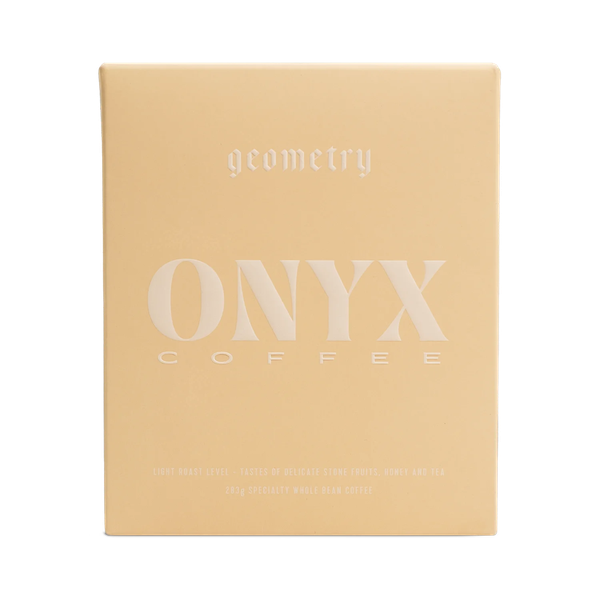
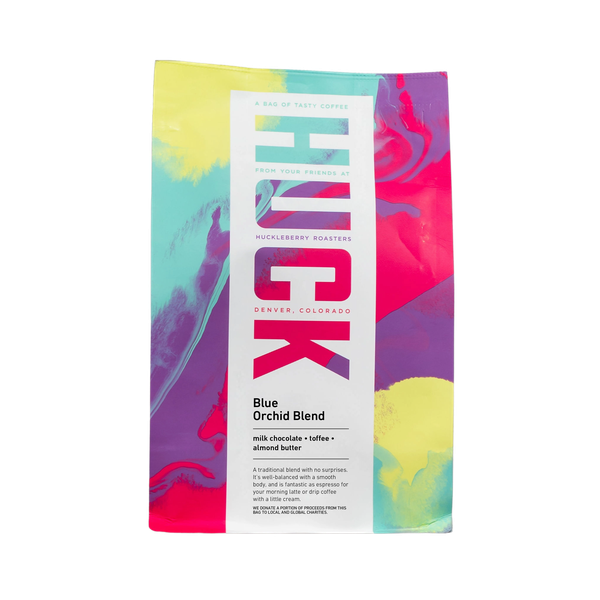
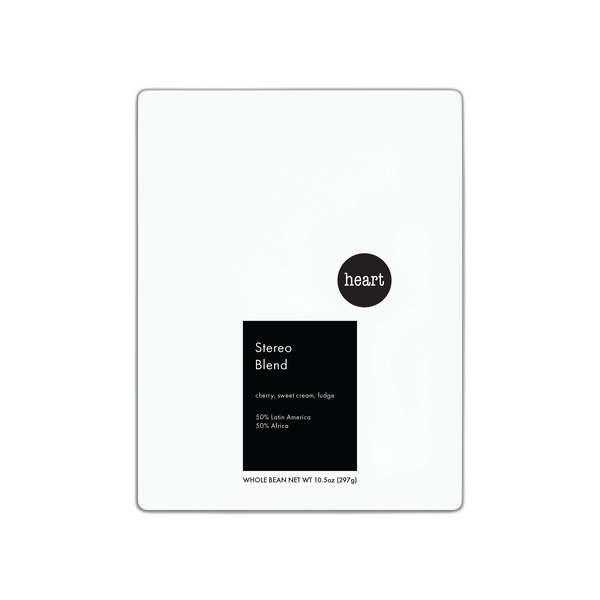
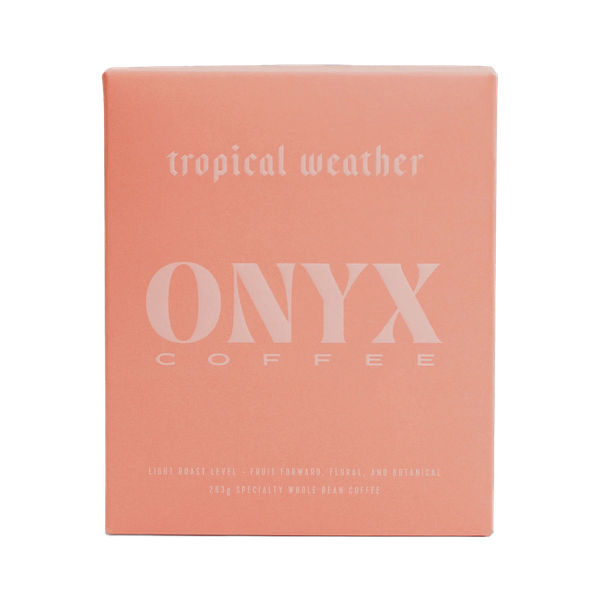
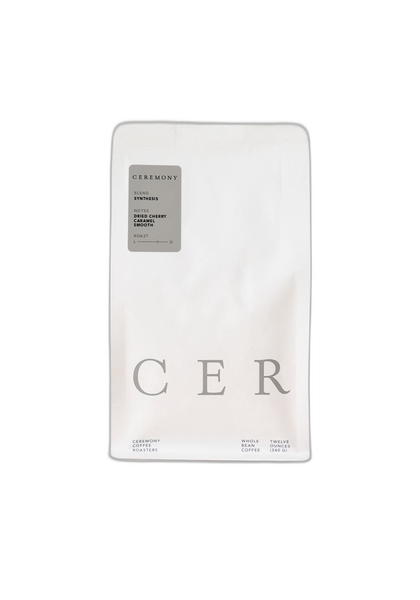
Top 10 Coffee Blends, Ranked

Rankings are based on expert ratings from our database of 193 coffee blends. We limited to 2 picks per roaster to keep the list diverse. Prices reflect current catalog data.
Why Roasters Blend Coffee

A blend isn't a lesser version of single-origin coffee — it's a different tool built for a different job. Roasters combine lots from multiple origins to hit a flavor profile that stays consistent year-round, even as any one harvest changes. A bright, acidic washed lot can offset a heavier, chocolatey natural; a mellow Brazilian can round out a sharp Central American. That's why 89 of the 193 blends in our database are specifically built and recommended for espresso, where shot-to-shot consistency matters more than showcasing a single origin's character.

Blending also happens at two different points in the process. Some roasters blend green beans before roasting, running the mix through the roaster as one batch — simpler, but only works well when every component wants a similar roast level. Others roast each origin separately first, then blend the finished beans afterward, letting a delicate washed Ethiopian hit its ideal light roast while a dense Brazilian natural gets pushed further, before the two are combined.

Frequently Asked Questions

What actually makes a coffee a "blend" instead of a single-origin?
A blend combines beans from two or more distinct origins, farms, or lots — roasted and sold as one product with one flavor target. Single-origin coffee, by contrast, comes entirely from one traceable source. Roasters build blends by picking complementary lots (say, a bright washed Ethiopian for acidity plus a heavier Brazilian for body) so the combined cup hits a specific, repeatable profile.
Why do roasters blend coffee instead of just selling single-origin lots?
Consistency and cost control. A single farm's harvest changes character season to season, but a blend recipe lets a roaster hit the same flavor profile bag after bag by adjusting the ratio of components as any one lot shifts. Blends also let a roaster balance traits no single lot has alone — body from one origin, brightness from another — which is especially valuable for espresso, where 89 of the 193 blends in our database are specifically recommended.
Are blends roasted together or separately, then mixed?
Both approaches exist. "Blending before roasting" mixes green beans first, then roasts the combination as one batch — simpler, but it assumes every origin in the mix wants the same roast level. "Blending after roasting" roasts each origin separately to its ideal profile, then combines the finished beans — more work, but it lets a delicate washed lot and a dense natural lot each hit their own peak before joining the blend.
Is a blend a lower-quality shortcut compared to single-origin coffee?
No — they're built for different goals, not different quality tiers. Specialty roasters put as much craft into a signature espresso blend as any single-origin release; the difference is a blend optimizes for a consistent, balanced cup across the seasons, while single-origin optimizes for showcasing one specific place's character. Many roasters' flagship, most expensive coffee is a blend.
Do coffee blends cost less than single-origin coffee?
Not by rule, but often in practice — blending lets roasters combine a pricier lot with a more affordable one to hit a target price point, and it smooths out the cost swings of any single harvest. Average price across the 193 blends in our database is $19.06, though prized small-batch blends can cost as much as any premium single-origin.
How do I find more coffee blends?
Browse all 193 coffee blends in our catalog →, or see how they stack up against single-origin coffee →. Not sure where to start? Take the Coffee Recommender Quiz →.

Explore More

More From the Blog