Caffeine.supply

Best High-Altitude Coffees of 2026

Elevation is one of the strongest quality signals in specialty coffee — the thin, cool air above 1,800m slows cherry ripening, packing beans with more sugar and density before harvest. We ranked all 173 coffees in our database grown above that threshold by expert score, capped at 2 per roaster, to find the best high-grown lots you can buy right now.

173High-altitude coffees
12Origins represented
4.32Avg expert score
57Roasters

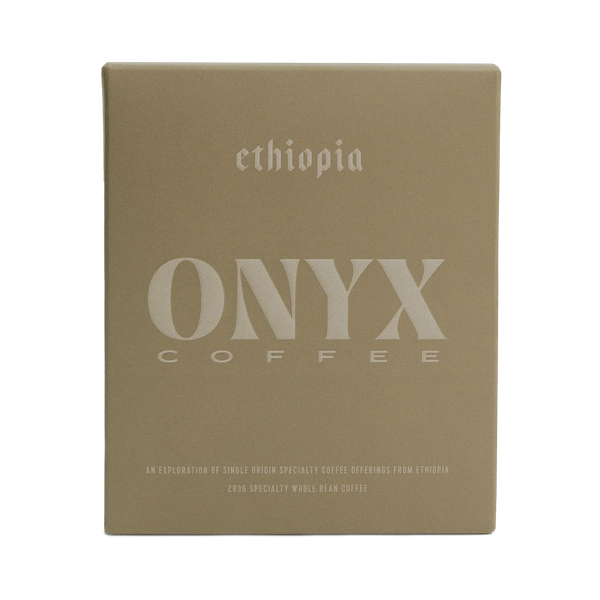
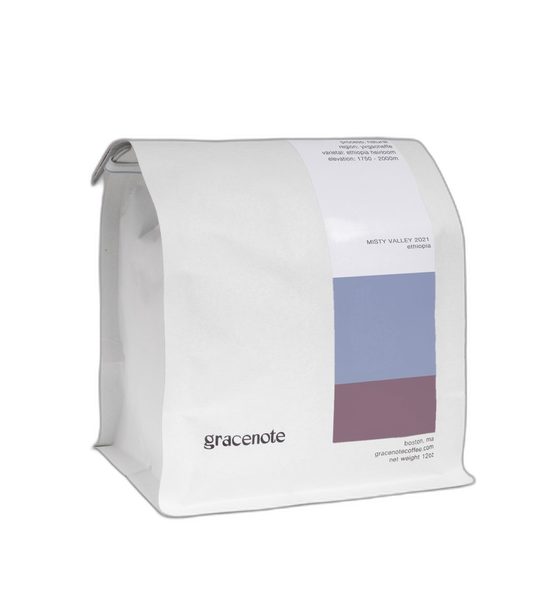
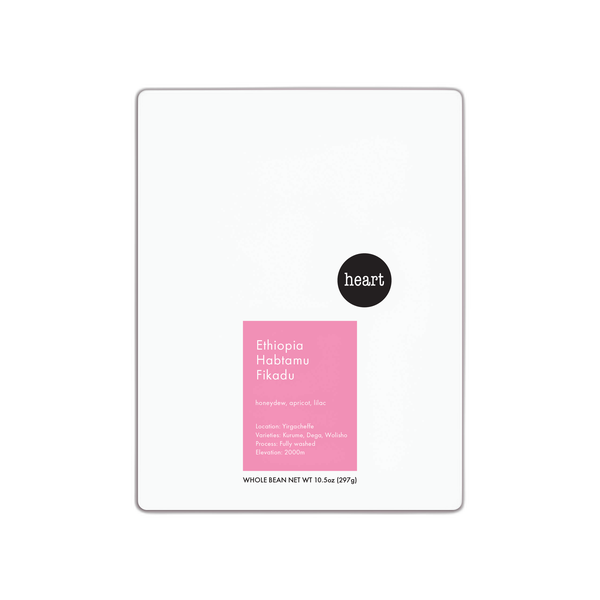
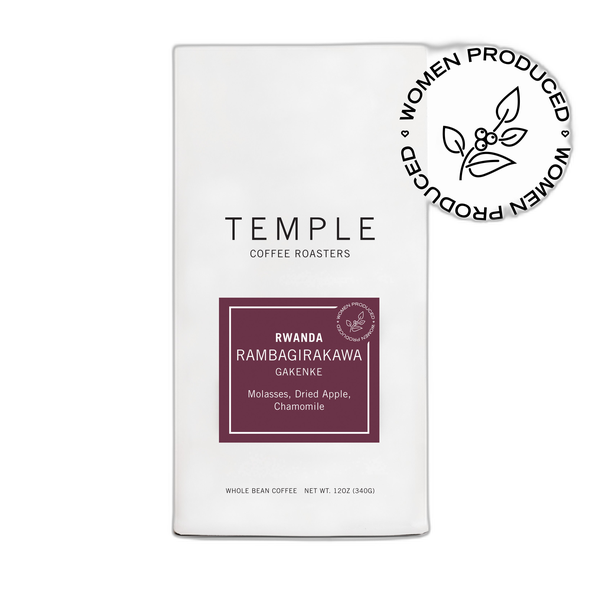
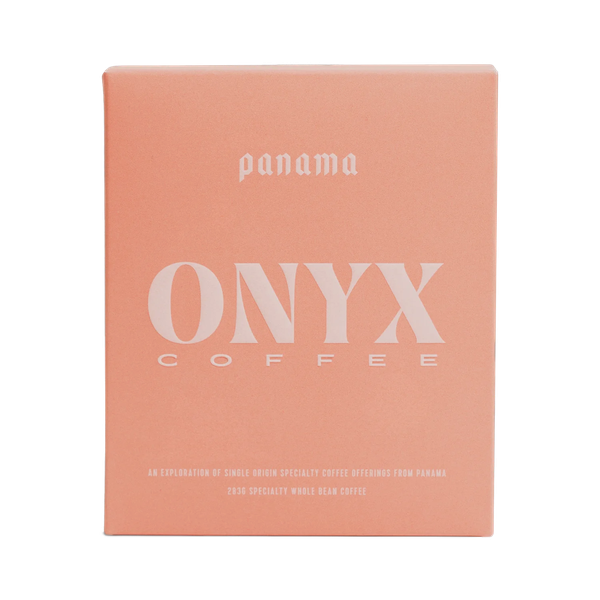
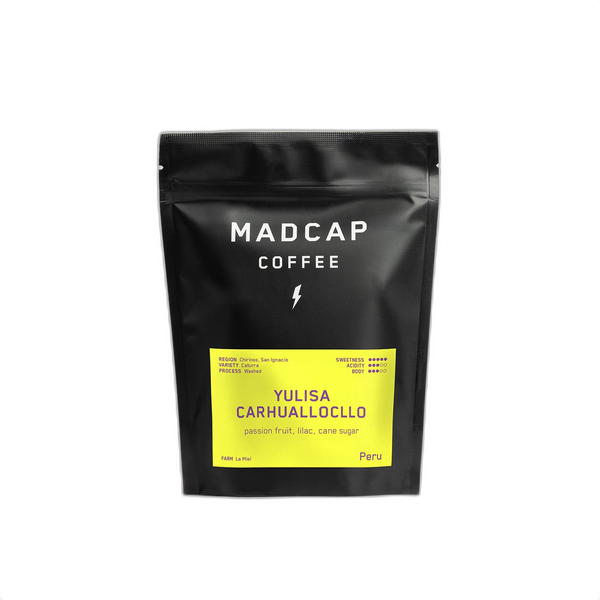
Top 10 High-Altitude Coffees, Ranked

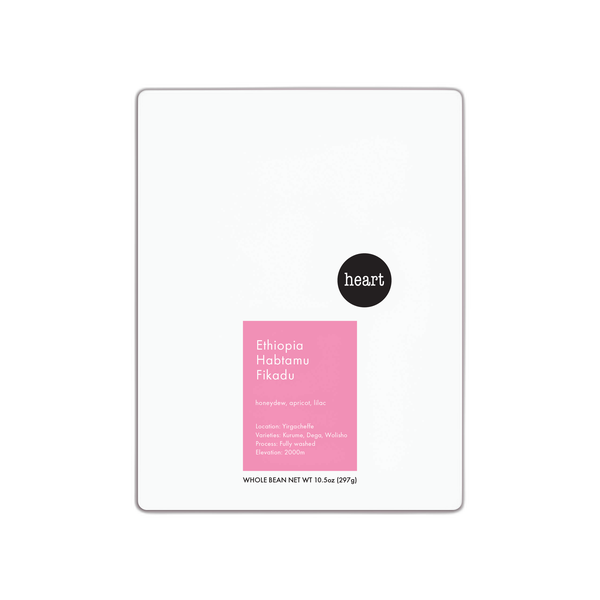
Rankings are based on expert ratings from our database of 173 coffees grown at 1,800m elevation or above. We limited to 2 picks per roaster to keep the list diverse, breaking ties by elevation. Prices reflect current catalog data.
High-Altitude Coffee by Origin

High-altitude specialty coffee concentrates in a handful of origins with the volcanic highlands and equatorial latitude to grow coffee that high without frost risk. Here are the four deepest in our database:

Ethiopia
80 high-altitude coffees
The deepest high-altitude inventory in our catalog by a wide margin. Yirgacheffe, Sidama, and Guji farms above 1,800m are what give Ethiopian coffee its floral, tea-like intensity.
Colombia
26 high-altitude coffees
The Andes give Colombia one of the widest elevation ranges in coffee — Huila and Nariño farms above 1,800m produce the country's most sought-after Pink Bourbon and Caturra lots.
Rwanda
15 high-altitude coffees
Lake Kivu's washing stations sit at 1,700–2,200m on volcanic soil — altitude plus fully-washed processing is why Rwandan coffee reads as black tea and honey rather than heavy fruit.
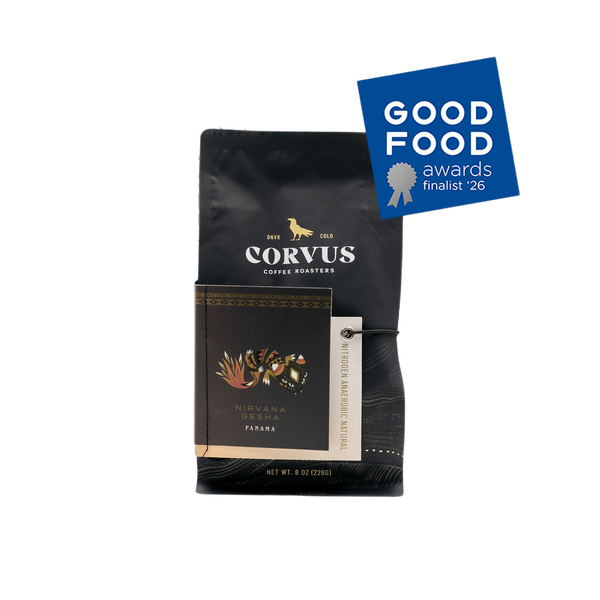
Panama
13 high-altitude coffees
Boquete and Volcán's slopes above 1,800m are where Panama's prized Geisha lots grow — altitude plus variety is what built Panama's reputation for some of the world's most expensive coffee.

Frequently Asked Questions

What’s the difference between "high-altitude" and grading terms like "Strictly Hard Bean" (SHB)?
They measure the same underlying thing — elevation — but grading scales vary by country. Central American exporters use terms like SHB or SHG (Strictly Hard/High Grown) for lots above roughly 1,200–1,600m depending on the country, since bean density (hardness) scales with elevation. Our 1,800m cutoff is stricter than most national SHB thresholds and matches the point most specialty roasters themselves treat as meaningfully "high-grown."
How can I tell if a coffee is high-altitude just from the bag?
Look for an elevation number or range on the bag or the roaster’s product page, usually in meters (or feet) alongside the farm or region name — e.g. "1,950m" or "6,400ft." More roasters are printing lot-level elevation each year because it correlates with density and cup quality. If a bag only lists a country with no elevation, that’s not automatically a red flag, but it’s less specific than lots that disclose it.
Does elevation interact with processing method to change the flavor?
Yes — they compound rather than cancel out. In our database, 111 of the 173 high-altitude coffees are washed and 48 are natural process. High-altitude washed lots tend toward the cleanest, brightest acidity in the whole catalog (thin air plus a transparent process). High-altitude naturals get an extra layer of density and structure under their fruit-forward sweetness — they read as more "structured" than lowland naturals, less like straight jam.
Which brew methods best showcase high-altitude acidity and clarity?
Pour over and AeroPress are the best matches — both let you control extraction precisely enough to highlight bright, structured acidity without it turning sharp. Use water at the lower end of the standard range (88–93°C) and a slightly finer grind than you’d use for a lowland natural, since dense high-altitude beans can under-extract at coarser settings. See pour over guide → · See AeroPress guide →
Is high-altitude the same thing as "shade-grown" or "bird-friendly"?
No — they’re different claims. Elevation is a physical measurement; shade-grown and bird-friendly are farming-practice certifications about canopy cover that protects migratory bird habitat. Many high-altitude farms happen to be shade-grown because they sit in cloud-forest ecosystems, but a farm can be high-altitude and full-sun, or low-altitude and shade-grown. We track elevation directly; we don’t currently track shade/bird-friendly certification as a separate facet.
How do I find more high-altitude coffees?
Browse all 173 high-altitude coffees in our catalog →. For a side-by-side comparison against a lowland lot, use our Coffee Comparison Tool →. Not sure where to start? Take the Coffee Recommender Quiz →.

Explore More

More From the Blog