Best Coffee for Percolator of 2026
A percolator forces boiling water up through the grounds over and over, cycling for 8-10 minutes until the brew reaches strength — the same American stovetop and campsite classic since long before drip coffee took over. That repeated recirculation rewards a bold, coarse-ground bean over a bright, delicate one. We ranked 37 dark and medium-dark specialty coffees rated 4.3★ or higher to find the 10 best beans for your percolator right now.
Top 10 Coffees for Percolator, Ranked
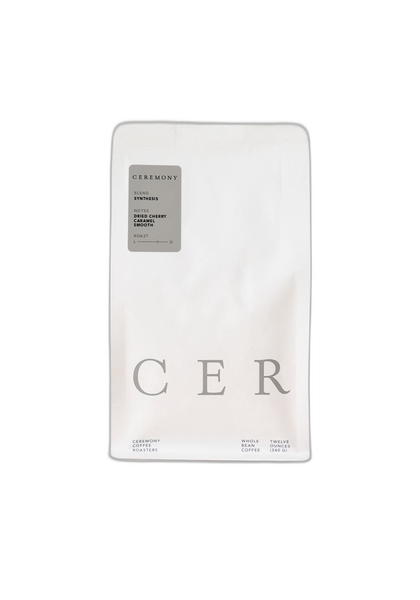
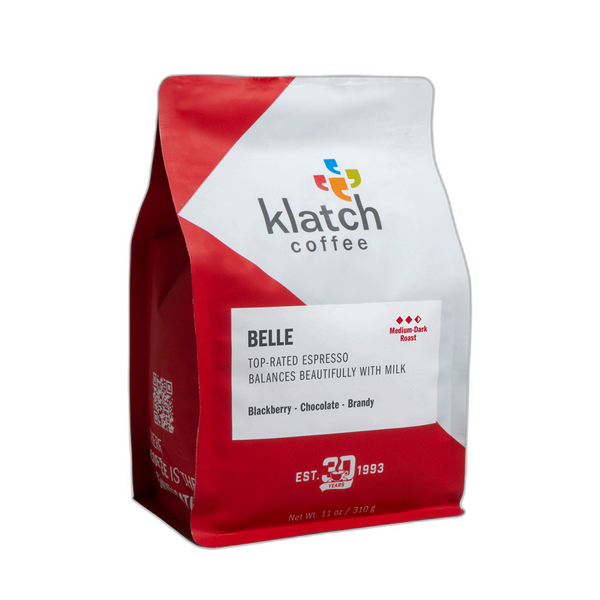
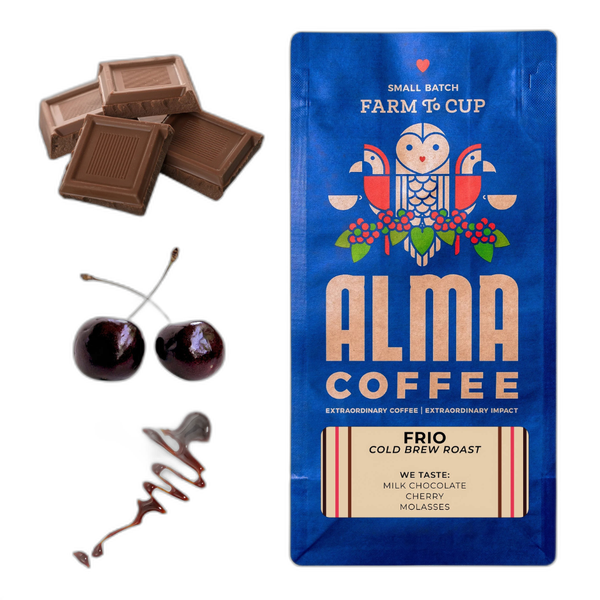
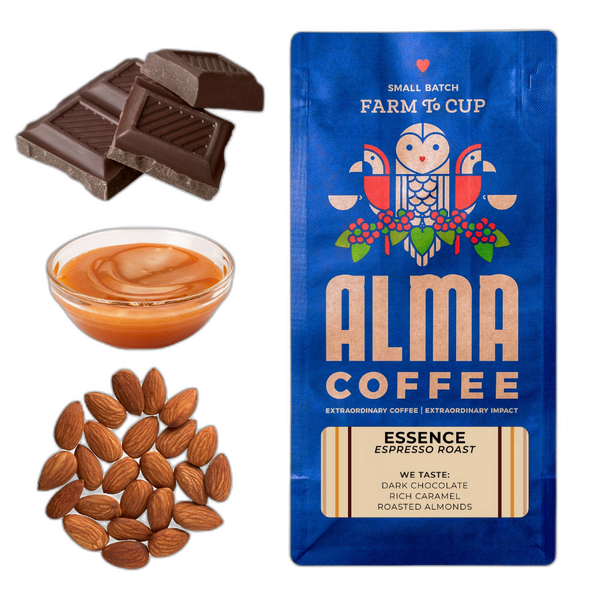
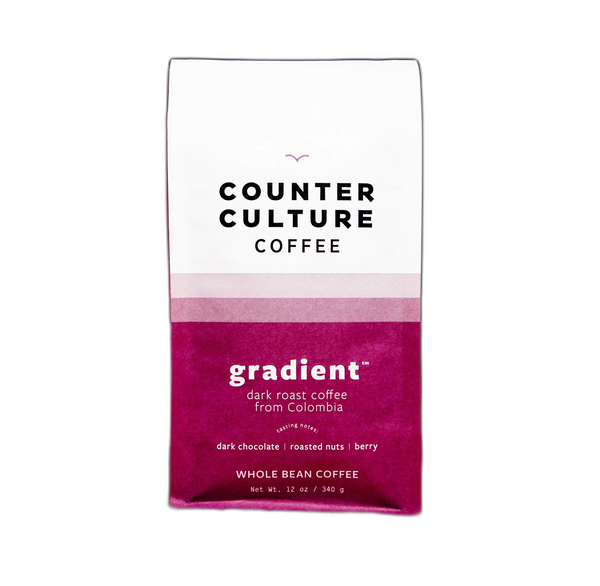
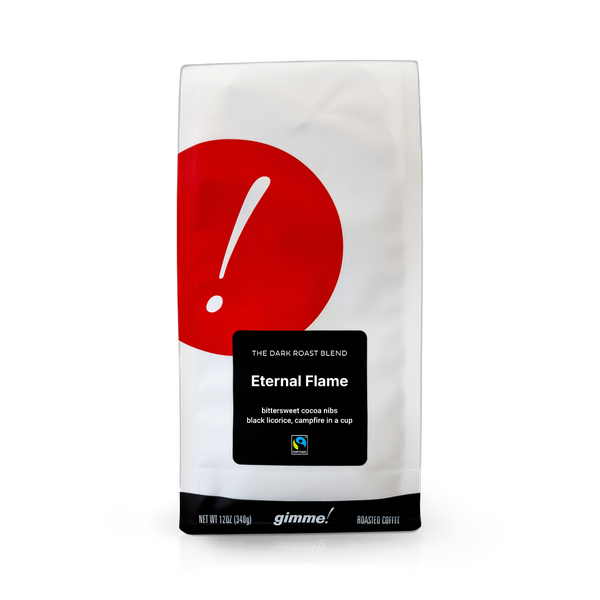
Rankings based on expert ratings from our database of 37 dark and medium-dark coffees from 24 specialty roasters, all rated 4.3★ or higher with bold, nutty, chocolate, caramel, smoky, molasses, or roasted character. Limited to 2 picks per roaster for diversity. Prices reflect the latest data in our catalog.

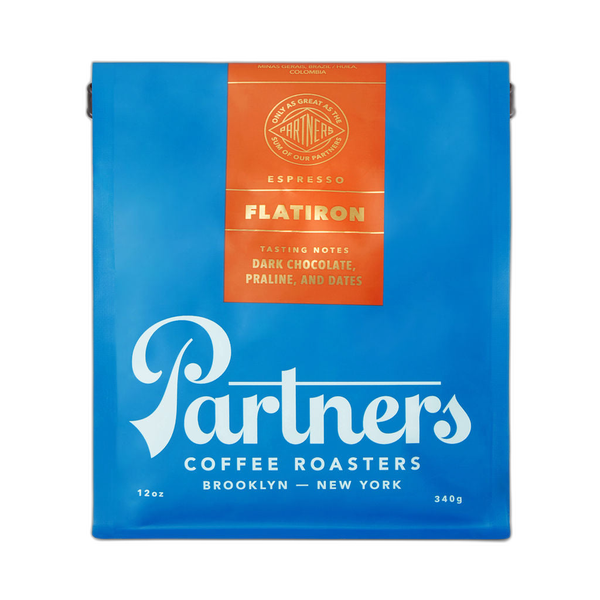
What Makes a Coffee Good for a Percolator?
Unlike a paper-filtered drip or pour-over, a percolator has no fresh cup of water passing through the grounds just once — the same water sprays up and over the basket repeatedly for several minutes, extracting more with every cycle. That intensity punishes a light, floral, or high-acid bean (it just tastes scorched or muddy by the time it's strong enough to drink) and rewards a bold, low-acid, coarse-ground roast built to hold up under repeated extraction.
No coffees in our catalog are explicitly tagged for percolator brewing yet — so this ranking widens the lens to any dark or medium-dark roast with bold, nutty, chocolate, caramel, smoky, molasses, or roasted notes and a 4.3★+ rating, averaging 4.42★ across the 37 candidates.
Origins Behind the Best Percolator Coffee
Bold, low-acid character built to survive repeated boiling-water cycles shows up across a handful of origins and multi-origin blends engineered for consistent, roasty depth.
How to Brew Percolator Coffee
Coarse grind, boiling water forced up through a central stem, and the brew recirculates over the grounds for 8-10 minutes until it reaches the color and strength you want.
- Fill & assemble: Fill the percolator's bottom chamber with cold water, staying below the basket's fill line. Insert the central stem, then set the empty basket on top of it.
- Load grounds: Add coarsely ground coffee to the basket and level it gently — don't pack it down or tap it, which restricts how water flows up through it each cycle.
- Heat to first perk: Assemble the lid and set the pot on medium heat. The water heats until it forces itself up the stem and sprays down over the grounds — you'll see and hear the first "perk" through the glass knob in the lid after roughly 5 minutes.
- Percolate & watch: Keep it on medium heat as the cycle repeats every few seconds. Watch the knob: the liquid goes from clear to light amber to a deep, rich brown over the next 4–5 minutes — that color is your real doneness signal, not the clock.
- Remove from heat: Pull the pot off the heat the moment the knob reaches a deep brown, at 8–10 minutes total. Every extra minute recirculates already-extracted coffee back through the grounds and pushes the cup toward bitter.
- Rest & serve: Let it sit off the heat for about a minute so any fine sediment settles in the bottom of the pot, then pour. Percolator coffee is brewed strong by design — have milk or hot water on hand if you want to cut it back.
Follow our full interactive percolator guide with a built-in timer →