Best Coffee for Vietnamese Phin of 2026
Vietnamese phin coffee drips slowly through a metal filter into a glass, traditionally paired with sweetened condensed milk — so the bean underneath needs real body and chocolatey depth to stand up to that sweetness rather than disappear into it. We ranked 50 dark and medium-dark specialty coffees rated 4.0★ or higher to find the 10 best beans for your phin right now.
Top 10 Coffees for Vietnamese Phin, Ranked
Rankings based on expert ratings from our database of 50 dark and medium-dark coffees from 33 specialty roasters, all rated 4.0★ or higher. Limited to 2 picks per roaster for diversity. Prices reflect the latest data in our catalog.
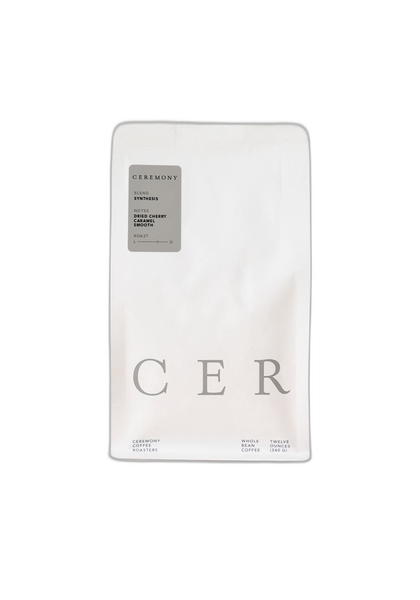
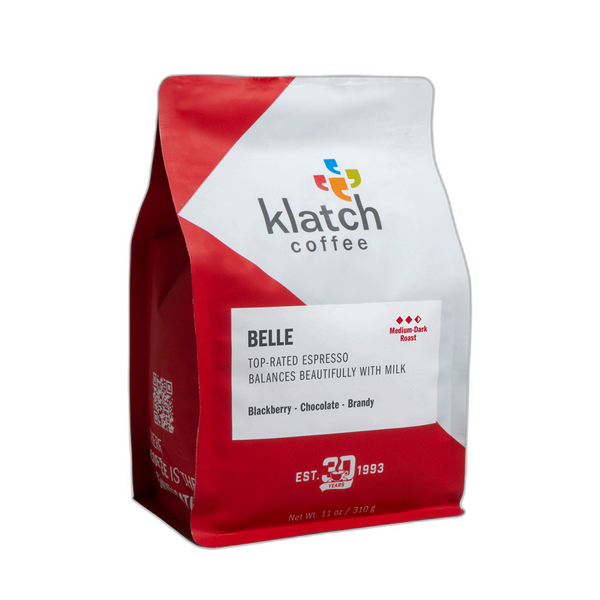





What Makes a Coffee Good for Vietnamese Phin?
A phin filter has no paper and relies purely on gravity, so the coffee steeps in direct contact with the water for 3–5 unhurried minutes — closer to full immersion than a fast pour-over drip. That slow contact time, plus the traditional condensed-milk pairing, rewards a bold, low-acid, chocolate-forward cup over anything bright or delicate.
No coffees in our catalog are explicitly tagged for Vietnamese phin brewing yet — so this ranking widens the lens to any dark or medium-dark roast with chocolate, cocoa, nutty, or caramel notes and a 4.0★+ rating, averaging 4.32★ across the 50 candidates.
Origins Behind the Best Phin Coffee
Bold, chocolatey, low-acid character built for slow gravity brewing and condensed milk shows up across a handful of origins and multi-origin blends engineered for consistent depth.
How to Brew Vietnamese Phin Coffee
Medium-coarse grind, gravity does the work, and the coffee steeps directly in the water for 3–5 minutes with no paper filter.
- Set up: For iced coffee (cà phê sữa đá), spoon 1–2 tbsp of sweetened condensed milk into your glass first. Set the phin's brew chamber on top, add 20 g of medium-coarse grounds, and level gently — don't pack them down.
- Bloom: Set the perforated press plate on top and turn until it sits flush. Pour about 30 ml of hot water over it to saturate the grounds evenly, then wait 30–40 seconds.
- Main pour: Pour the remaining water to fill the chamber near the rim — about 120 ml total — then place the lid on top to trap heat.
- Slow drip: Let gravity do the rest, undisturbed, for 3–5 minutes. Resist stirring or pressing the plate, which rushes extraction and pulls through bitterness.
- Stir and serve: Once dripping slows to occasional drops, remove the phin and stir the concentrate into the condensed milk. Drink hot, or pour over ice for the classic iced version.
Follow our full interactive Vietnamese phin guide with a built-in timer →