Why Coffee Prices Are Rising in 2026
Coffee has had its most volatile year in decades. Arabica futures hit an all-time record high in 2025, crashed nearly 40% by June 2026, then spiked roughly 50% in a single month — the largest weekly gain since 2000 — and volatility has continued into late August as Brazil's harvest runs behind schedule. Here's what's actually driving the swings, what it means for your next bag, and 250 specialty coffees in our database that still rate highly at $20 or under.
What's Driving the 2026 Coffee Price Surge
Green coffee prices track the ICE Coffee C futures contract, and 2026 has been a wild ride on it. Arabica fell to a 2026 low of $2.39/lb on June 9, then surged roughly 49.5% to $3.57/lb by July 6 — the contract's largest weekly gain since 2000 — before easing back to roughly $3.10–3.40/lb through late July. That volatility follows an already-extreme 2025, when Arabica set an all-time record near $4.38/lb in October.
Three forces are compounding at once. First, climate: Brazil and Vietnam together grow roughly half the world's coffee, and both have faced repeated weather shocks — drought and frost damage in Brazil, supply disruptions in Vietnam — that tighten global inventories every time either origin's harvest is threatened. Erratic June rainfall this year clouded the outlook for Brazil's 2026 crop specifically. Second, policy: a 50% U.S. tariff on Brazilian coffee imports has added a cost pressure to the U.S. market that has nothing to do with weather. Third, plain scarcity — global stockpiles remain historically tight, so even modest supply news moves the futures price sharply in either direction.
Update: Where Things Stand in Late August 2026
The volatility hasn't settled. Arabica futures pushed to a fresh 7.5-month high in late August on renewed supply concerns, and ICE-certified arabica inventories slid to their lowest level in roughly two and a half years. A big reason: Brazil's harvest is running behind pace — about 90% complete as of mid-August, versus 97% at the same point last year and a five-year average closer to 94%. Traders are also watching for an El Niño pattern that could delay the rains Brazil's trees need for the flowering that sets up next season's crop, adding a forward-looking risk premium on top of today's tight supply.
The longer-term picture is more mixed. The USDA's outlook for the 2026–27 season projects global coffee output rising about 6% to a record 189.7 million bags, with arabica production up roughly 12% year-over-year — a supply rebound that, if it materializes on schedule, would argue for prices easing once the new crop actually reaches export terminals. Until then, a slow harvest and thin inventories are keeping the market on edge.
How This Trickles Down to Your Bag
Green coffee is only one input in the price of a bag on a shelf — roasting, labor, packaging, and freight all factor in too — so a futures spike rarely changes retail prices overnight. Specialty roasters in particular tend to buy on longer-term contracts, often well above commodity futures for graded, traceable lots, which insulates them somewhat from short-term swings. But sustained highs do eventually work their way into new-crop contract pricing. If futures stay elevated, expect it to show up gradually in next season's specialty releases rather than in the coffee already on shelves.
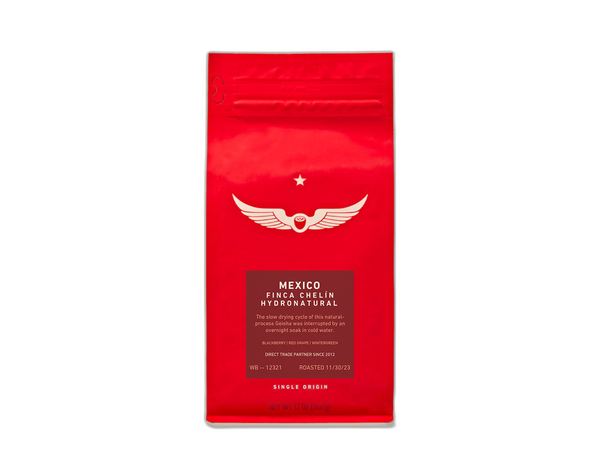
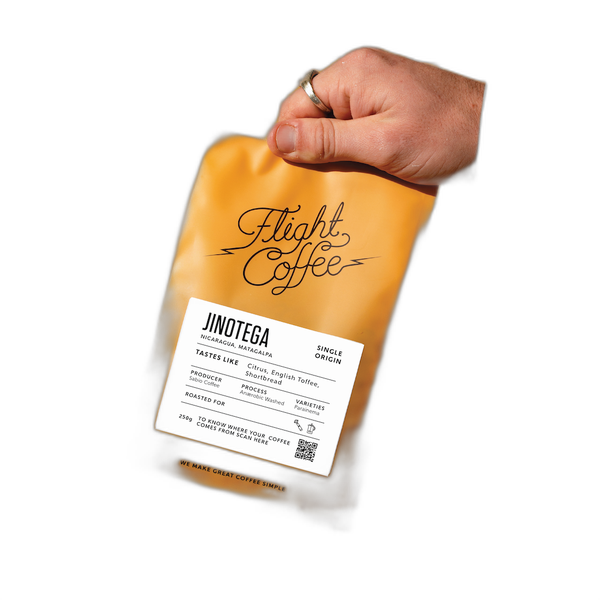
10 Great Value Picks While Prices Stay Volatile
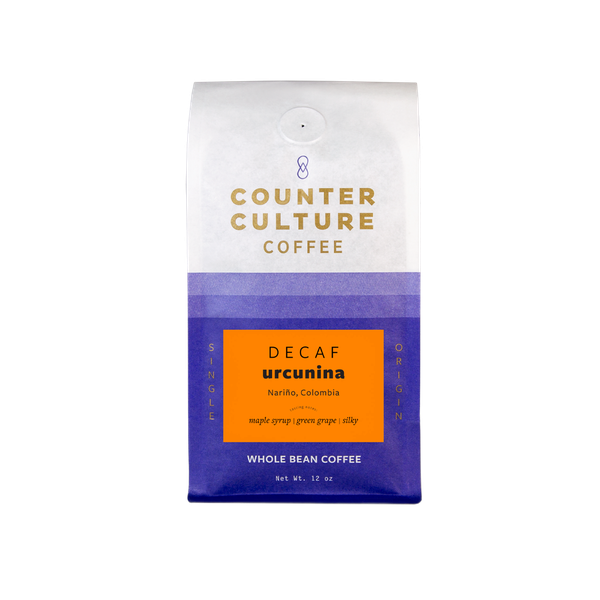
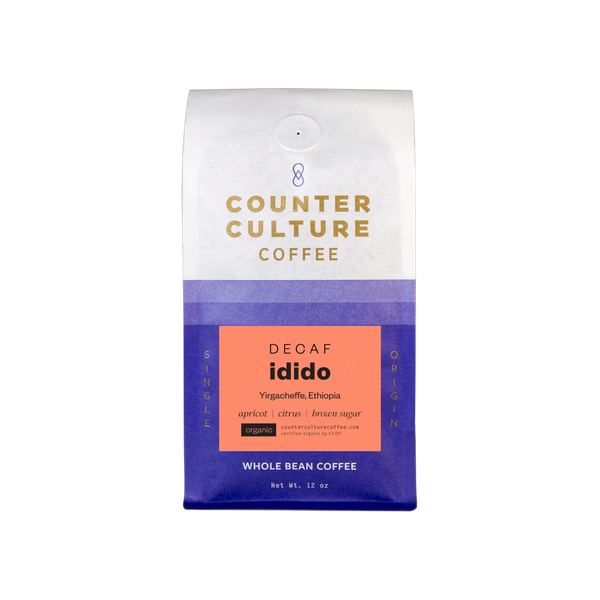
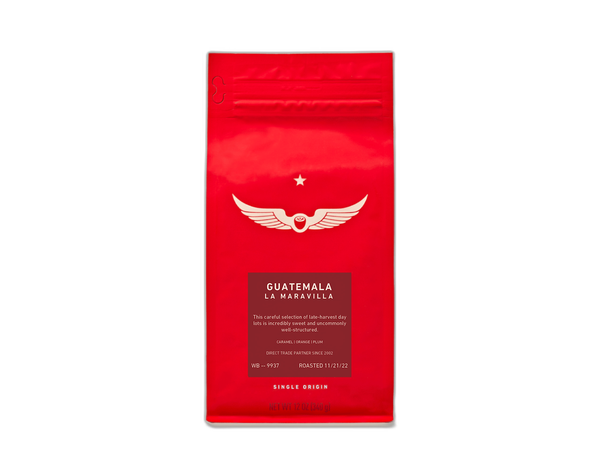
Regardless of where futures head next, plenty of specialty coffee remains affordable today. These are the highest-rated coffees in our database priced at $20 or under, capped at 2 picks per roaster to keep the list diverse.