Caffeine.supply

Best Burundian Coffees of 2026

Burundi is a small, still-underrated East African origin — and every one of the 11 pure single-origin Burundian coffees in our catalog shares one variety: Bourbon or Red Bourbon. We ranked all 11 by expert score, from double-washed Ngozi lots to rare Kayanza naturals, sourced from 5 specialty roasters.

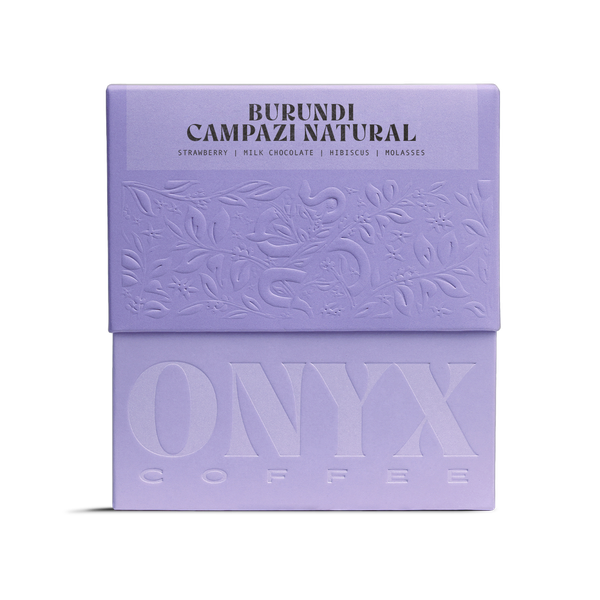
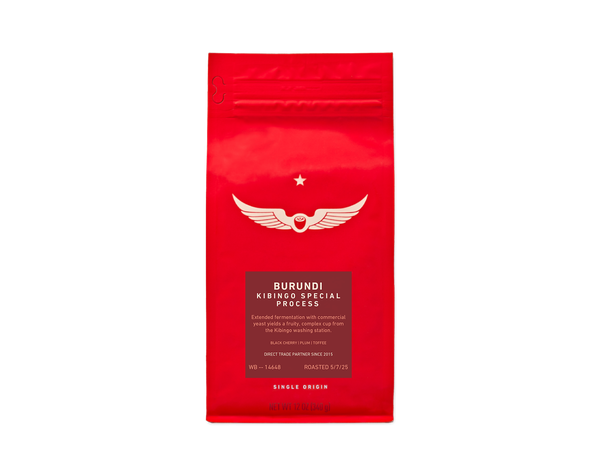
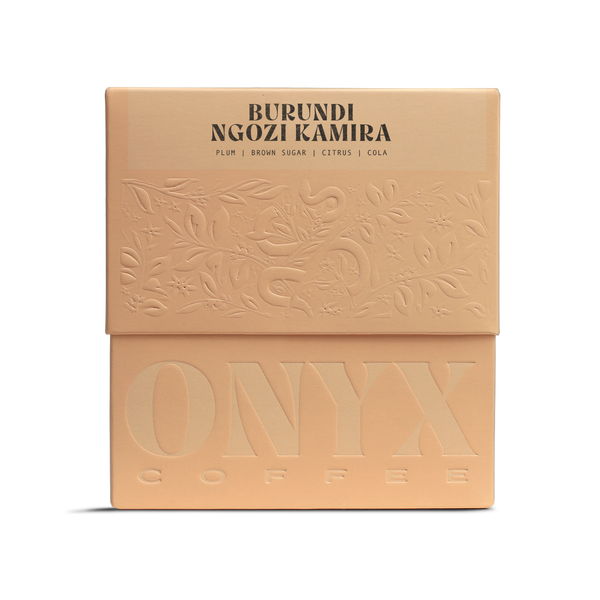
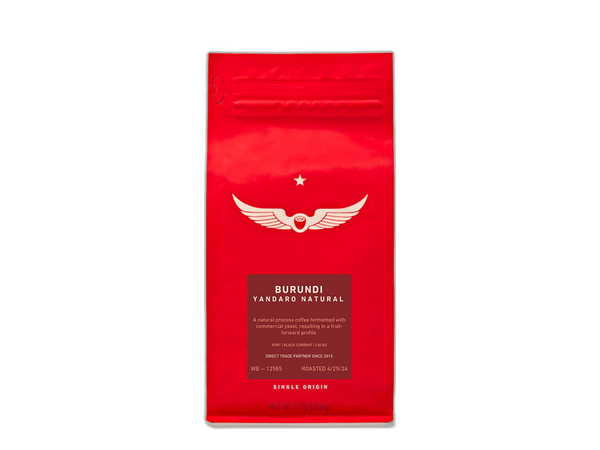
Best Burundian Coffees, Ranked

Rankings are based on expert ratings across all 11 pure single-origin Burundian coffees in our database, sourced from 5 specialty roasters — every qualifying Burundian single-origin coffee we carry makes this list. Prices and availability reflect the latest data in our catalog.

Why Burundi Grows Almost Nothing but Bourbon

All 11 of the 11 pure single-origin Burundian coffees in our catalog are Bourbon or Red Bourbon — descendants of plants French colonists carried to Bourbon Island in the 18th century, now anchoring specialty coffee across the same volcanic highlands Burundi shares with neighboring Rwanda. Burundian washing stations also favor a distinctive double-fermentation process, which contributes to the black-tea body and bright red berry and citrus acidity that define the cup. Because Burundi (like Rwanda) is prone to the antestia-bug-driven "potato taste" defect, reputable stations cup every lot before export — one reason a well-screened Burundian coffee commands a premium over less rigorously sorted regional coffee.

Burundi's Growing Regions

7 of 11 coffees on this list come from Kayanza, Burundi's most productive coffee province, with the rest split across three smaller zones:

Kayanza
Burundi's coffee heartland, dense with washing stations on hillsides bordering Rwanda — the source of most of this list's Bourbon and Red Bourbon lots, both washed and natural.
Ngozi
A neighboring highland province growing the same Bourbon varieties as Kayanza, known here for a double-washed lot with a cleaner, more delicate cup.
Bumba Hill
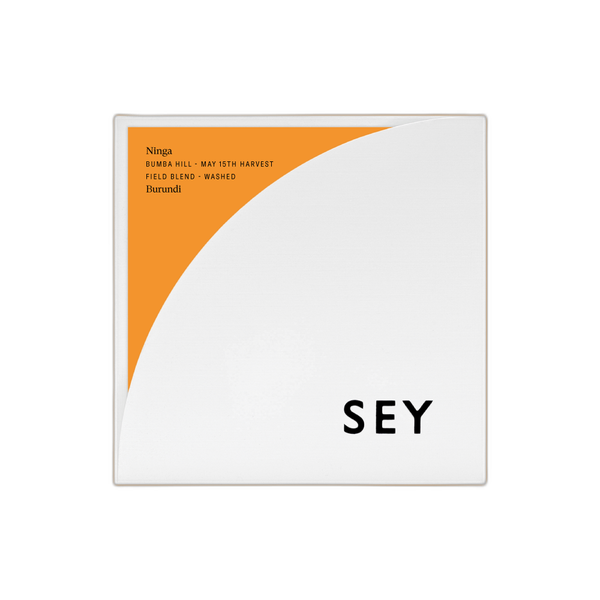
A single high-elevation washing station whose lots have built enough of a reputation among specialty buyers to be listed as its own micro-origin.
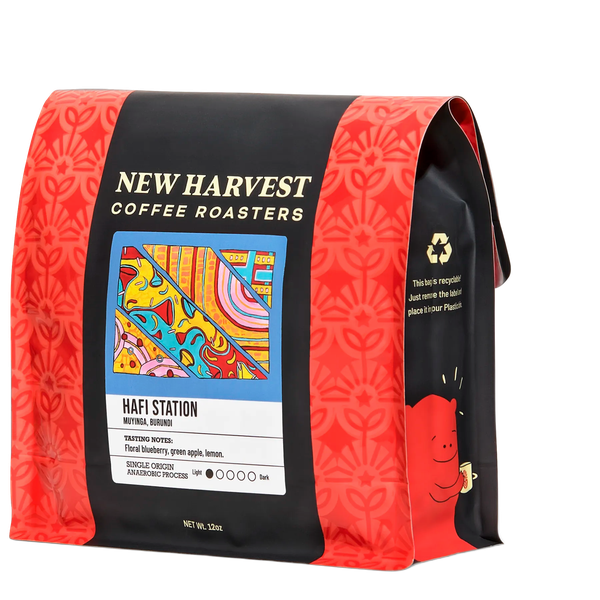
Muyinga Province
A smaller, less-established growing region in Burundi's north, reaching specialty roasters through newer importer relationships.

Washed, Natural, or Something Rarer

Burundi's 11 pure single-origin coffees split into a genuine mix rather than one house style:

Frequently Asked Questions

What makes Burundian coffee unique?
Burundi grows almost nothing but one variety — all 11 of the pure single-origin Burundian coffees in our catalog are Bourbon or Red Bourbon, descendants of plants grown on the same volcanic highlands as neighboring Rwanda. Washing stations there also use a distinctive double-fermentation process that produces a black-tea body with bright red berry and citrus acidity.
What is the "potato defect" in Burundian coffee?
Potato taste defect is caused by a bacterium introduced by the antestia bug, producing an off-flavor resembling raw potato in a small fraction of beans. It cannot be detected until the bean is cracked during roasting or cupping, which is why reputable Burundian washing stations cup obsessively to isolate and reject affected lots before export — one reason well-screened Burundian coffee costs more to source than its regional peers.
Where does Burundian specialty coffee come from?
7 of the 11 pure single-origin Burundian coffees on this list come from Kayanza, Burundi's most productive coffee province, with the rest split across Ngozi (2), the Bumba Hill washing station (1), and Muyinga Province (1).
Is Burundian coffee washed or natural?
7 of the 11 pure single-origin coffees on this list are washed, typically using Burundi's double-fermentation method, while 4 are natural or dry-processed — a genuine mix rather than a single house style.
How do I find more Burundian coffees?
Browse all Burundian coffees in our catalog →, see the Top 10 Burundi ranking →, or use our coffee comparison tool → to put any two Burundi lots side by side.

Explore More

More From the Blog